
Why Does My Dental Implant Feel Wiggly?
May 18, 2026 9:00 amA dental implant is supposed to feel steady. So when something starts to move, even slightly, it can be unsettling. You might notice it while chewing, brushing, flossing, or touching the tooth with your tongue. At first, it may be hard to tell whether the implant itself is moving or if the crown on top just feels a little loose.
Either way, a wiggly dental implant is not something to ignore. Sometimes the issue is minor, such as a loose crown or abutment screw. Other times, movement can point to a problem with the implant’s support, the surrounding bone, or gum tissue around the implant. The important thing is getting it checked before chewing pressure makes the problem worse.
At Vero Dental in Denver, CO, Dr. Giuseffi and Dr. Johnson evaluate dental implants to determine exactly where the movement is coming from. Once the source is clear, they can explain whether the solution is a simple adjustment, a repair to the restoration, gum treatment, or a more involved plan to protect your long-term oral health.
First, Is the Implant Moving or the Crown on Top?
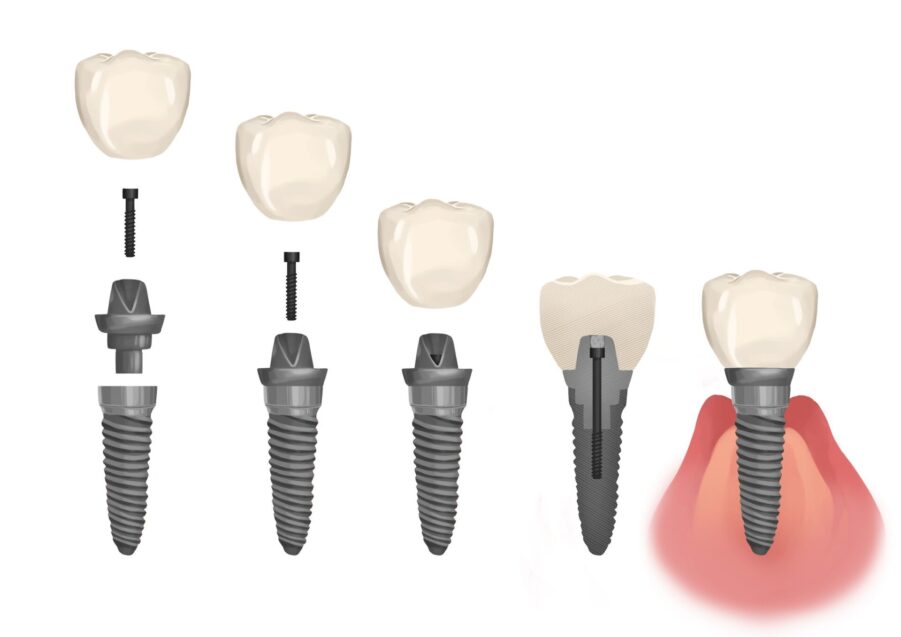
When patients say their implant feels loose, they are often referring to the tooth they can see and feel in the mouth. A dental implant has several parts, and not all movement means the implant post in the bone is loose.
The implant post is the titanium or ceramic fixture placed in the jawbone. The abutment connects the implant to the crown, and the crown is the visible tooth-shaped restoration. If the crown or abutment loosens, the area may feel wiggly even though the implant post itself is still stable.
This distinction matters because the treatment can be very different. A loose crown or abutment may be repairable without removing the implant. However, if the implant post is moving in the bone, that is more serious and needs prompt evaluation.
At home, it can be difficult to tell which part is moving. Avoid testing it repeatedly with your tongue or fingers, and do not chew on that side until a dentist has looked at it. The less pressure you put on it, the better.
A Loose Crown Can Make the Implant Feel Unstable
One of the more common reasons an implant feels wiggly is that the crown has loosened. This may happen if the cement weakens, if the crown is screw-retained and the screw loosens, or if the crown has been under heavy bite pressure over time.
When the crown is loose, you may feel slight movement while chewing or brushing. You might also notice a clicking sensation, a change in your bite, or food getting caught around the implant more than usual. In some cases, the crown may feel like it shifts but does not hurt.
This situation should still be checked soon. A loose crown can place uneven pressure on the implant components, irritate the gums, or allow bacteria to collect in areas that are harder to clean. If handled early, the repair may be much simpler.
Dr. Giuseffi or Dr. Johnson can evaluate the crown, check the bite, and determine whether it can be tightened, re-cemented, repaired, or replaced.
The Abutment Screw May Have Loosened
The abutment screw is a small but important part of many implant restorations. It helps secure the abutment or crown to the implant. If that screw loosens, the crown may feel mobile even though the implant post remains firmly integrated in the bone.
This can happen from normal chewing forces, bite imbalance, grinding, or clenching. It may also occur if the crown is taking more pressure than it should. Over time, that repeated force can cause small movements that eventually become noticeable.
If the abutment screw is loose, your dentist may be able to access it, tighten it, and adjust the bite if needed. In some cases, parts may need to be replaced if they are worn or damaged.
The key is not to wait. Continuing to chew on a loose implant restoration can damage the screw, crown, abutment, or even the implant connection. A small repair can become more complicated if the loose part is left under pressure for too long.
Bite Pressure or Teeth Grinding Can Stress an Implant
Dental implants do not have the same ligament support as natural teeth. Natural teeth have a small cushion-like ligament around the root, which helps absorb pressure. Implants are anchored directly in bone, so heavy bite forces can transfer differently.
If your bite is slightly off, or if you grind or clench your teeth, the implant restoration may take too much force. Over time, this can loosen the crown or abutment screw, wear down the restoration, or irritate the surrounding tissues.
You may notice the implant feels sore when chewing, your bite feels different, or the crown feels like it is hitting first. Some patients also wake up with jaw tightness, headaches, or sore teeth from nighttime grinding.
At Vero Dental, the team can check how your teeth come together and whether the implant is taking too much pressure. If grinding is part of the issue, a nightguard may be recommended to help protect the implant and surrounding teeth.
Gum Inflammation Around the Implant Can Be a Warning Sign
Healthy gum tissue is important around dental implants. If plaque and bacteria collect near the implant, the gum tissue can become inflamed. Early inflammation around an implant is sometimes called peri-implant mucositis, and it may cause redness, tenderness, bleeding, or swelling.
At this stage, the implant may still be stable, but the tissues around it are irritated. If inflammation is not addressed, it can progress and affect the bone supporting the implant. That more advanced condition is often called peri-implantitis.
If you notice bleeding when brushing around the implant, swelling, a bad taste, pus, or tenderness, schedule an appointment. These symptoms can happen before the implant feels very loose, and treating inflammation early can help protect the implant.
Cleaning around implants requires consistent home care and regular professional maintenance. Your dental team can show you which tools are safest and most effective for your specific implant restoration.
Bone Loss Around the Implant Can Cause Movement
If the implant post itself is moving, that usually means it is no longer fully supported by the surrounding bone. This is more serious than a loose crown or screw and should be evaluated right away.
Bone loss around an implant can happen for several reasons, including infection, heavy bite forces, smoking, uncontrolled gum disease, medical conditions, or difficulty cleaning around the implant. When enough bone support is lost, the implant may begin to feel mobile.
This type of movement may come with pain, swelling, bad taste, gum recession, or drainage, but not always. Some patients notice movement before they notice significant discomfort.
A dental exam and imaging can help determine whether the implant is stable in the bone. If bone loss is present, Dr. Giuseffi or Dr. Johnson can explain the next steps, which may involve cleaning, infection control, bite adjustments, or referral for more advanced implant care depending on the severity.
A New Implant Should Not Feel Loose During Healing
If your implant was placed recently, it is important to avoid putting pressure on it unless your dentist has specifically restored it for immediate use. During healing, the implant needs time to integrate with the bone. This process is called osseointegration.
A healing implant should not feel wiggly. If it does, call the office right away. Movement during healing can interfere with the implant bonding to the bone and may increase the risk of implant failure.
Sometimes patients feel movement from a temporary crown, healing cap, or gum tissue rather than the implant itself. Still, it is not something to guess about. A dentist needs to check the area and confirm what is moving.
If you recently had implant surgery and notice looseness, discomfort, swelling, or a change in how the area feels, avoid chewing on that side and contact Vero Dental for guidance.
An Older Implant Can Develop Problems Years Later
Dental implants can last many years with good care, but they still need maintenance. Just like natural teeth, implants are affected by bite forces, gum health, oral hygiene, and overall health changes.
An implant that has felt stable for years can develop a loose crown, worn components, gum inflammation, or bone loss. This does not always mean the implant has failed, but it does mean the area needs an exam.
Sometimes the fix is simple. A screw may need tightening, a crown may need repair, or the bite may need adjustment. Other times, the dentist may find that the tissues around the implant need treatment.
Routine dental visits help catch these changes early. Your dentist can check the implant, clean around it, evaluate the gum tissue, and take X-rays when needed to monitor the bone around the implant.
What You Should Do If Your Dental Implant Feels Wiggly
If your dental implant feels wiggly, stop chewing on that side and call your dentist. Try not to keep testing the movement with your fingers or tongue, since repeated pressure can make the problem worse.
If the crown feels like it may come off, do not try to pull it loose. If it does come out, place it in a small container or bag and bring it to your appointment. Your dentist may be able to evaluate whether it can be reused, repaired, or replaced.
You should call promptly if you notice pain, swelling, bleeding, pus, a bad taste, fever, or the implant feels like it is moving from the root area rather than the crown. These signs can point to inflammation, infection, or loss of support around the implant.
Even if there is no pain, movement is still worth checking. Implants are designed to feel solid, so any looseness deserves attention.
How Your Dentist Checks a Loose Implant
During your visit, your dentist will first determine which part of the implant restoration is moving. They may gently test the crown, check the bite, examine the gums, and take X-rays to evaluate the bone around the implant.
If the crown or abutment is loose, the dentist may check whether the screw can be tightened or whether the crown needs repair. If the bite is placing too much force on the implant, adjustments may be recommended.
If the implant post appears loose or there are signs of bone loss, the next steps will depend on the cause and severity. Your dentist will explain what they see and whether the implant can be treated or needs additional care.
The goal is to avoid guessing. Once the source of movement is identified, the plan becomes clearer.
Dental Implant Care in Denver, CO at Vero Dental
If your dental implant feels wiggly, it is best to have it checked before the problem gets worse. A loose crown or abutment may be easier to repair when caught early, while movement in the implant post itself needs prompt attention.
At Vero Dental in Denver, CO, Dr. Giuseffi and Dr. Johnson evaluate implant concerns carefully so patients understand what is moving and why. Whether the issue is bite pressure, a loose screw, gum inflammation, bone loss, or a crown problem, the team can explain your options and help protect your implant whenever possible.
If something feels off when you chew, brush, or run your tongue over the implant, call Vero Dental to schedule an evaluation. A clear exam can help you get answers and prevent a small issue from turning into a larger repair.
FAQs
Is it normal for a dental implant to feel wiggly? No, a dental implant should feel stable. If something feels loose, it may be the crown, abutment, screw, or the implant post itself. A dentist should evaluate it to find out where the movement is coming from.
Can a loose implant crown be fixed? Often, yes. If the crown or abutment screw is loose and the implant post is stable, your dentist may be able to tighten, re-cement, repair, or replace the restoration. The sooner it is checked, the better.
What does it mean if the implant post is moving? If the implant post is moving in the bone, it may mean the implant has lost support or did not integrate properly. This is more serious than a loose crown and should be evaluated right away.
Can grinding my teeth make an implant feel loose? Yes, grinding or clenching can place heavy pressure on an implant restoration. Over time, that force may loosen the crown, abutment screw, or damage surrounding tissues. A nightguard may help protect the implant.
Should I chew on a loose dental implant? No, avoid chewing on that side until a dentist examines it. Chewing on a loose implant restoration can damage the components or worsen the problem.
When should I call the dentist about a wiggly implant? Call as soon as you notice movement, even if it does not hurt. Call promptly if you also have pain, swelling, bleeding, pus, bad taste, fever, or trouble chewing.
CONTACT USImage from Authority Dental under CC 2.0
Categorized in: Dental Implants, Dental Tips