
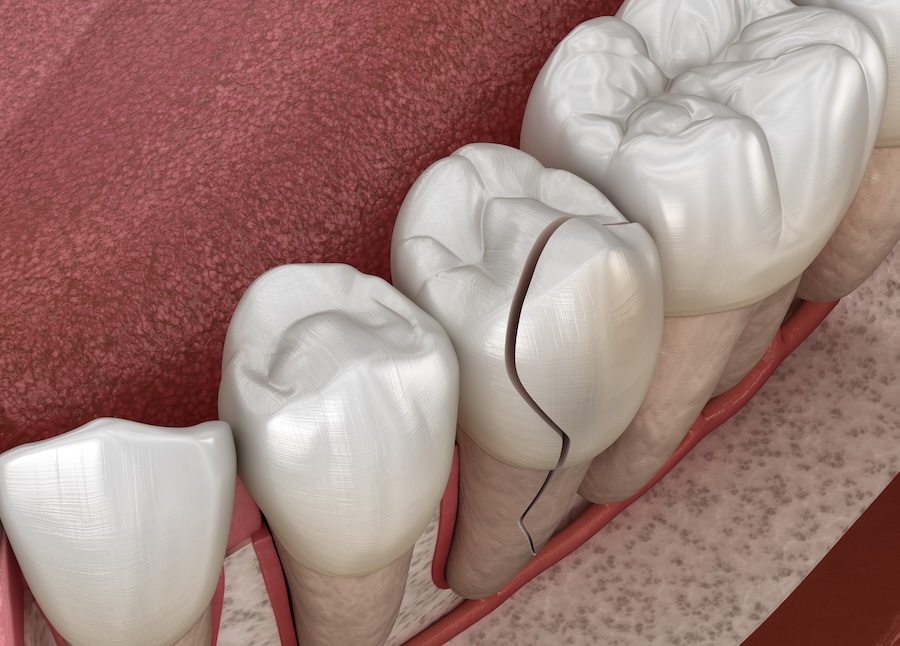
Types of Tooth Fractures
March 13, 2026 9:00 amTeeth are remarkably strong. They handle years of chewing, temperature changes from food and drinks, and the everyday pressures of biting and grinding. Still, like anything that works hard every day, they can develop small structural problems over time.
Sometimes a fracture is obvious, such as when a piece of a tooth chips while biting into something unexpectedly hard. Other times the damage is subtle. A patient may simply notice sensitivity while chewing, or a sharp twinge that appears when biting down and disappears just as quickly.
At Vero Dental in Denver, CO, Dr. Giuseffi and Dr. O’Brien evaluate these situations carefully because not all tooth fractures behave the same way. Some are minor and mostly cosmetic, while others can affect the inner structure of the tooth and require more protective treatment.
Understanding the different types of tooth fractures helps explain why dentists recommend different solutions depending on how deep the crack extends.
Craze Lines
Craze lines are the most minor type of tooth fracture. These are tiny, superficial cracks that affect only the outer enamel of the tooth.
Many adults have craze lines, particularly on their front teeth. They often develop gradually after years of normal chewing pressure or repeated exposure to hot and cold foods and drinks.
In most cases, craze lines do not cause pain and do not require treatment. Dentists usually consider them a cosmetic finding rather than a structural concern.
Chipped Teeth
A chipped tooth occurs when a small portion of enamel breaks away from the tooth surface. This can happen from biting into hard foods, accidents, or sports injuries.
Small chips may not cause significant discomfort, but they can leave the edge of the tooth feeling rough or uneven. Larger chips may expose the dentin layer beneath the enamel, which can make the tooth more sensitive.
Dentists often repair chipped teeth with dental bonding, which restores the missing portion of enamel with a tooth-colored material. When the damage is larger or involves a molar, a crown may be recommended to strengthen the tooth.
Cracked Tooth
A cracked tooth is more significant than a simple chip. In this situation, the fracture extends deeper into the tooth and may reach the dentin or even the pulp.
Patients with cracked teeth often describe discomfort when biting down, especially when releasing pressure after chewing. The pain may appear and disappear, which can make the problem feel inconsistent or difficult to pinpoint.
Treatment usually involves placing a dental crown to reinforce the tooth and prevent the crack from spreading further. If the pulp has been affected, root canal therapy may also be needed.
Split Tooth
A split tooth occurs when a crack progresses far enough that the tooth separates into two distinct segments.
This type of fracture often develops when a cracked tooth is left untreated and continues to experience pressure during chewing. Once the tooth splits, saving the entire structure is often not possible.
In some situations, a portion of the tooth may still be preserved and restored with a crown after treatment. In others, the fracture may extend too deeply and require extraction.
Vertical Root Fracture
A vertical root fracture begins in the root of the tooth and extends upward toward the chewing surface.
These fractures are often difficult to detect because they may not cause obvious symptoms early on. Patients might notice occasional discomfort, swelling in the surrounding gums, or a small area of recurring infection near the tooth.
Because the fracture starts in the root, treatment options can be limited. In many cases, the affected tooth may need to be removed to prevent ongoing infection.
Why Early Evaluation Matters
One of the challenges with tooth fractures is that they can worsen over time if left untreated. A small crack may not cause severe discomfort initially, but repeated chewing pressure can allow it to deepen. Catching these issues early often allows dentists to stabilize the tooth before the fracture spreads further.
Regular dental exams also help identify small cracks that patients may not notice on their own.
Tooth Fracture Treatment at Vero Dental in Denver, CO
Tooth fractures can range from minor enamel cracks to more serious structural damage. Determining the type and extent of the fracture is an important first step in choosing the right treatment.
At Vero Dental in Denver, CO, Dr. Giuseffi and Dr. O’Brien carefully evaluate fractured teeth using detailed exams and imaging when necessary. From bonding and crowns to more advanced treatment when required, the goal is always to restore strength and function while preserving as much natural tooth structure as possible.
If you are experiencing tooth sensitivity, discomfort when biting, or suspect a cracked or chipped tooth, scheduling an evaluation at Vero Dental in Denver, CO can help determine the cause and the best way to protect your smile.
CONTACT USCategorized in: Cracked Teeth, Dental Tips