
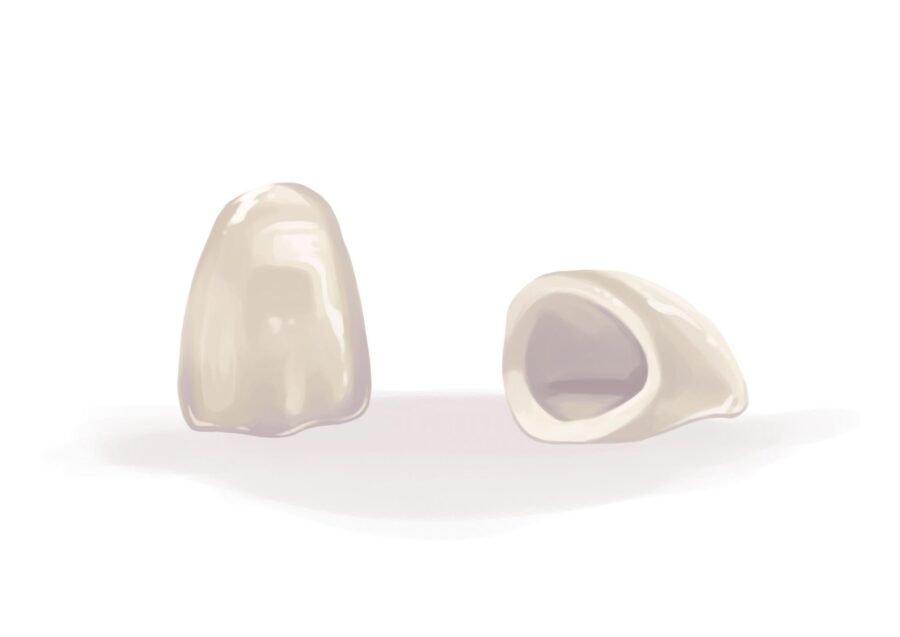
Is Your Dental Crown Feeling Loose? Don’t Wait for It to Fall Out!
June 11, 2026 9:00 amA dental crown should feel stable when you chew, speak, and run your tongue over it. So, when it starts to wiggle, lift, click, or feel slightly different than it used to, it can make you more aware of that tooth throughout the day. You may still be able to chew normally, and it may not hurt. Even so, movement is a sign that the crown should be checked.
A loose dental crown can happen for several reasons. For example, the cement may have weakened, decay may be forming under the crown, the bite may be putting too much pressure on it, or the tooth underneath may no longer support it well. Either way, waiting for the crown to fall out can make treatment more complicated. It can also leave the tooth underneath exposed to bacteria, sensitivity, or breakage.
At Vero Dental in Denver, CO, Dr. Giuseffi, Dr. Johnson, and the team can check why your crown feels loose and explain the next step clearly. In some cases, the crown may be re-cemented. In others, it may need replacement or treatment for the tooth underneath. Most importantly, getting it checked sooner can help keep a loose crown from becoming the kind of problem that ruins lunch and then takes over your afternoon.
Why a Loose Dental Crown Should Be Checked Soon
A loose crown may seem manageable at first. Maybe it shifts only when you chew on one side, or maybe it clicks just enough to make you notice it. However, even slight movement can create space between the crown and the tooth underneath, and that space can cause problems.
Once the crown seal weakens, saliva, food particles, and bacteria can work their way under the restoration. Over time, the tooth structure under the crown can become more vulnerable to decay. Since that area is covered, you may not see what is happening until the crown comes off, the tooth becomes sensitive, or an X-ray shows a concern.
In addition, a loose crown can change how your bite feels. If the crown is not sitting fully in place, it may hit the opposing tooth differently. As a result, that uneven pressure can irritate the tooth, strain the surrounding ligament, or make the crown even looser.
For that reason, it is better to have the crown checked while it is still in place. If it can be saved, early care may keep the visit simpler. If it cannot be saved, Dr. Giuseffi or Dr. Johnson can help protect the tooth before more damage occurs.
Common Reasons a Dental Crown Feels Loose
A crown can loosen when the dental cement holding it in place begins to break down. This can happen with age, everyday chewing forces, bite changes, or tiny gaps that develop over time. Once the seal weakens, the crown may begin to lift slightly from the tooth.
Decay can also loosen a crown. The crown itself cannot get a cavity, but the natural tooth underneath still can. If decay forms near the edge of the crown, the tooth may lose the shape or strength needed to hold the crown securely.
Grinding and clenching are other common causes. Extra bite force can put repeated stress on crowns, especially during sleep. As a result, the crown may loosen, crack, or feel tender when you chew. In fact, some patients do not realize they grind until their dental work starts leaving clues.
A crown may also feel loose if the tooth underneath has fractured, if an old filling or buildup has weakened, or if the crown was already nearing the end of its useful life. Since several causes can overlap, an exam is the best way to know what is actually going on.
Signs Your Crown May Be Loose
A loose crown does not always come with pain. In many cases, the first sign is a small shift when you bite or a strange feeling when your tongue runs over the tooth. Some patients describe it as a wiggle, a click, or a crown that feels slightly taller than it used to.
Food getting stuck around the crown can also be a clue. If the crown has lifted or the edge no longer seals well, food may catch in places it did not before. Similarly, floss may feel different, shred near the crown, or slide through too easily.
Sensitivity is another sign to watch for. Cold drinks, sweet foods, or air may bother the tooth if the crown is no longer covering it as tightly. In addition, the tooth may feel sore after chewing, especially if the crown is moving under pressure.
A bad taste or odor near a crown can point to trapped bacteria or decay under the edge. While that is not always the cause, it is worth checking. A crown should not feel loose, smell odd, or make chewing feel like a small trust exercise.
Can a Loose Crown Be Re-Cemented?
Sometimes a loose crown can be re-cemented, especially if the crown is intact and the tooth underneath is healthy. If the crown still fits well and there is no decay, fracture, or major damage, Dr. Giuseffi or Dr. Johnson may be able to clean the crown and tooth, then secure the crown back in place.
However, re-cementing is not always the right answer. If decay has changed the shape of the tooth, the old crown may no longer fit correctly. Likewise, if the crown is cracked, worn, or no longer sealing well, putting it back on may only lead to another problem later.
The fit of the crown plays a big role in the decision. A crown needs to sit snugly against the tooth with a sealed margin. If there is a gap, rocking, or missing tooth structure, cement alone may not solve it. It may hold for a while, but it may not give the tooth the protection it needs.
After an exam, the team at Vero Dental can tell you whether re-cementing is reasonable or whether a new crown would be the better choice. That way, you are not guessing based on how loose it feels at home or trying to judge the whole situation with your tongue.
When a Loose Crown Needs to Be Replaced
A loose crown may need replacement if the crown no longer fits, the edge is leaking, or the tooth underneath has changed shape. This often happens when decay forms under the crown or when the tooth structure supporting it breaks down.
Replacement may also be needed if the crown is cracked, worn, or repeatedly coming loose. If the crown has already failed once, Dr. Giuseffi or Dr. Johnson will want to know why. Otherwise, the same pressure, decay, or fit issue could cause the next repair to fail too.
In some cases, the tooth may need a buildup before a new crown is made. A buildup replaces missing or weakened structure so the new crown has a better foundation. If the nerve of the tooth is irritated or infected, root canal therapy may also be discussed before the crown is replaced.
Although a new crown takes more planning than re-cementing an old one, it may provide a better seal, better bite, and better protection when the existing crown can no longer do its job.
What to Do Right Now If Your Crown Feels Loose
If your crown feels loose, avoid chewing on that side until it can be checked. Even if it is still attached, chewing can loosen it further or cause the tooth underneath to crack. For now, softer foods are the safer choice.
Also, stay away from sticky foods like caramel, taffy, or chewy candy. These can pull on the crown and may cause it to come off completely. Hard foods can be risky too because they can shift the crown or damage the tooth underneath.
Do not try to pull the crown off. Instead, if it is barely hanging on, call the office and explain what is happening. If it comes off on its own, place it in a small bag or container and bring it to your appointment. The crown gives the dentist helpful information, even if it cannot be reused.
Finally, avoid using superglue or household adhesive. Those products are not safe for your mouth and can damage the crown or tooth. Drugstore temporary dental cement may help in some situations, but it should only be a short-term measure until you can be seen. This is one of those moments when the junk drawer is not your dental team.
What Happens If the Crown Falls Out?
If the crown falls out, the tooth underneath may feel sensitive, rough, or smaller than you expected. That tooth has been shaped to support the crown, so it is not meant to stay uncovered for long. Without the crown, it may be more vulnerable to temperature changes, bacteria, and breakage.
First, save the crown. Rinse it gently if needed, but do not scrub it aggressively. Then place it in a container and bring it with you to Vero Dental. In some cases, the crown may be re-cemented if it still fits and the tooth is healthy.
Next, avoid chewing on that tooth. The exposed tooth may be weaker than it feels, and one hard bite can create a fracture. If the area is sensitive, stick with softer foods and avoid very hot, cold, or sweet items until your visit.
If you have pain, swelling, bleeding, or a bad taste near the tooth, mention that when you call. Those symptoms may mean decay, infection, or gum irritation is involved. From there, the team can help determine how quickly you should be seen.
How Vero Dental Checks a Loose Crown
At Vero Dental, Dr. Giuseffi or Dr. Johnson will examine the crown, the tooth underneath, the gums, and your bite. They may gently test the crown to see how much it moves and whether it still fits the tooth properly.
Digital X-rays may be recommended to check for decay, infection, bone changes, or issues around the tooth root. While not every problem shows clearly on an X-ray, imaging can provide important clues about what is happening below the surface.
The bite also needs attention. If the crown is hitting too hard, it may loosen again even after it is repaired. In that case, the dentist may adjust the bite, recommend a new crown design, or discuss a nightguard if grinding or clenching is part of the problem.
After the exam, you should have a clearer explanation of your options. Depending on what is found, the plan may involve re-cementing the crown, replacing it, treating decay, building up the tooth, or addressing bite pressure so the repair has a better chance of lasting.
Can You Wait If the Crown Is Only Slightly Loose?
It may be tempting to wait if the crown only moves a little. After all, if it is still mostly attached and not painful, it can seem like something to deal with when it becomes more annoying. The trouble is that a loose crown can create damage quietly.
As the crown moves, the seal around the tooth can weaken. Once that seal opens, bacteria can collect under the crown, and brushing cannot fully reach that area. Over time, decay may develop where it is hard to see.
The crown can also come off at an inconvenient time. For instance, it may happen during a meal, while traveling, or right before an important event. Worse, you could bite down on it unexpectedly and damage another tooth.
So, while a slightly loose crown may not require panic, it does deserve a timely appointment. A shorter visit now may prevent a longer visit later, which is usually the better trade.
How to Help Prevent Crown Problems
You cannot control every crown problem, but you can lower the risk with a few steady habits. To start, brush along the gumline, clean between your teeth, and keep up with regular dental visits so the edges of crowns can be checked.
It also helps to avoid chewing ice, hard candy, pens, fingernails, or other hard objects. Crowns are designed for chewing food, not for taking on every hard thing that finds its way into your mouth.
If you clench or grind, a custom nightguard may help protect both crowns and natural teeth. This can be especially useful if you wake up with jaw soreness, have worn teeth, or have had crowns loosen or crack in the past.
Regular exams give Dr. Giuseffi and Dr. Johnson a chance to catch small changes early. As a result, a crown edge, bite issue, or worn spot may be addressed before the crown starts moving.
Loose Dental Crown Care in Denver, CO
A loose dental crown should not be ignored, even if it does not hurt. It may be a simple cement issue, but it could also point to decay, bite pressure, a cracked tooth, or an old crown that needs replacement. Therefore, getting it checked while it is still in place can help protect the tooth underneath.
At Vero Dental in Denver, CO, Dr. Giuseffi, Dr. Johnson, and the team can examine your loose dental crown and explain the best next step. If the crown can be re-cemented, they can discuss that option. If the tooth needs more support or the crown needs replacement, they can walk you through the plan clearly.
If your crown feels loose, clicks when you bite, shifts when you chew, or has already fallen out, schedule a visit with Vero Dental. A timely appointment can help keep the tooth protected and may save you from a bigger dental headache later.
FAQs
Can a loose dental crown be re-cemented?
A loose dental crown can sometimes be re-cemented if the crown is intact, the tooth underneath is healthy, and the crown still fits properly. However, if there is decay, damage, or a poor fit, replacement may be needed instead.
Is a loose crown a dental emergency?
A loose crown is not always an emergency, but it should be checked soon. If you have pain, swelling, a bad taste, bleeding, or the crown is about to fall off, call Vero Dental promptly for guidance.
Can I eat with a loose crown?
It is better to avoid chewing on the side with the loose crown. Otherwise, hard, crunchy, or sticky foods can make it looser, pull it off, or damage the tooth underneath.
What should I do if my crown falls out?
Save the crown and bring it to your dental appointment. In the meantime, avoid chewing on the exposed tooth, keep the area clean, and do not use superglue or household adhesive to put it back on.
Why does my crown feel loose but not hurt?
A crown can feel loose without pain if the cement has weakened, the crown seal has opened, or the crown is starting to shift. However, a lack of pain does not always mean the tooth is healthy underneath.
How can I keep a crown from coming loose again?
Good brushing, flossing, regular dental visits, avoiding hard or sticky foods, and wearing a nightguard if you grind can help protect crowns. Even then, the best prevention depends on why the crown loosened in the first place.
CONTACT USImage from Authority Dental under CC 2.0
Categorized in: Dental Crowns, Dental Tips