
Dental Bonding in Denver: An Affordable Way to Fix Chips, Gaps, and Minor Flaws
September 17, 2026 9:00 amMaybe one front tooth has a chipped corner, a narrow gap, or an edge that looks a little uneven when you smile. Dental bonding can often clean up those smaller cosmetic concerns without turning them into a larger treatment plan. Because we can add tooth-colored composite exactly where it is needed, the change can stay pretty focused.
At Vero Dental in Denver, Dr. Giuseffi and Dr. Johnson use bonding to repair and reshape teeth with composite resin. The material is placed directly on the tooth, shaped by hand, hardened, and polished during the same appointment in many cases. Since there is no lab-made restoration involved, bonding can also be one of the more affordable ways to improve a tooth you have been wanting to change.
Bonding is usually a good fit when the tooth is healthy and the change you want to make is fairly small. A chipped edge, narrow gap, uneven contour, or tooth that looks a little short may all be good reasons to consider it. Before we get started, we also look at your bite and the teeth around it so the change fits comfortably with everything else.
Dental Bonding in Denver for Small Cosmetic Changes
Dental bonding uses a tooth-colored composite resin that we add directly to the tooth. It is the same general type of material used for tooth-colored fillings, but here we are using it to change the visible shape, size, or surface of the tooth.
For example, we may add a little length to a worn edge, build out one side of a narrow tooth, close a small space, or smooth out a chipped corner. Because we are adding material only where we need it, we can keep the treatment pretty conservative. For someone who likes most of their smile and wants to clean up one or two areas, that can make bonding a nice place to start.
From there, the shape is built gradually so we can make small adjustments as we go. Dr. Giuseffi or Dr. Johnson can look at how the tooth sits next to the one beside it, how much shows when you smile, and where the edge should land. Then we shape and polish the composite until it blends naturally with the teeth around it.
Bonding Can Repair Small Chips
Small chips along the front teeth are one of the most common reasons people ask about bonding. If the tooth is healthy and there is enough structure left to support the repair, we can add composite back to the chipped area and rebuild the missing edge.
That may be a little corner that broke off years ago or an edge that has slowly worn unevenly. We match the composite to the tooth, shape the missing area back in, and polish the surface so it feels smooth. At the same time, we check the bite because a repair that takes too much pressure is more likely to chip again.
We also look at why the tooth chipped in the first place. Grinding, clenching, or a bite that lands heavily on one edge can all put more stress on the repair. If we see signs of that, we may talk about a nightguard or another way to protect the tooth after the bonding is finished.
Small Gaps Can Sometimes Be Closed With Bonding
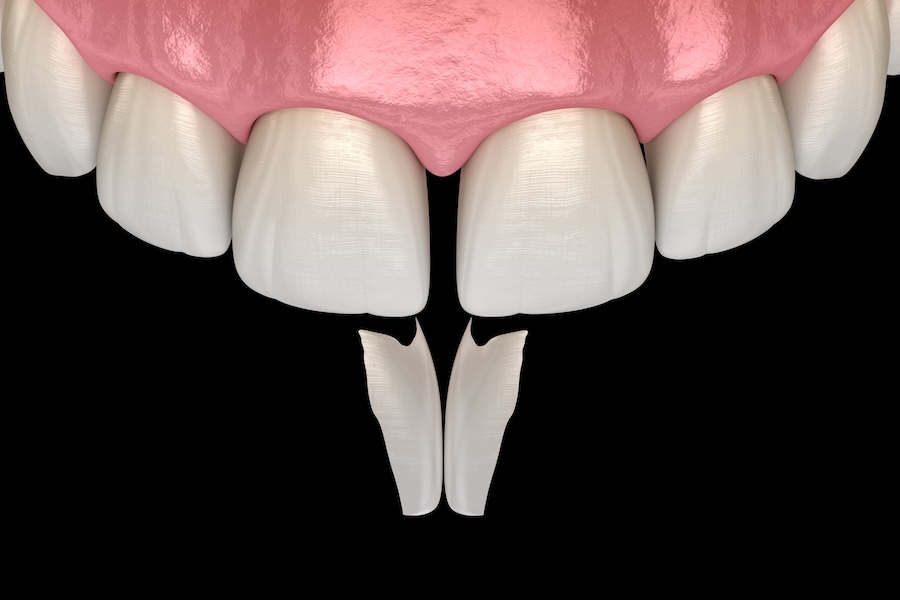
A narrow space between two teeth can sometimes be closed by adding a little composite to one or both teeth. Rather than moving the teeth, we change their shape just enough to make the space less noticeable. For a small gap, the change can be pretty subtle.
We are careful not to overbuild either tooth, so sometimes adding a small amount to both sides gives a better balance than making one tooth noticeably wider. That way, the front teeth still look like they belong together once the space is closed. The size of the gap and the shape of the surrounding teeth both guide how much we add.
If the gap is wider or the teeth are out of position, clear aligners or another orthodontic option may give us a better starting point. Then bonding can still come in later if we want to fine-tune the shape or size of a tooth. Either way, we look at how the whole area comes together before choosing the next step.
Bonding Can Improve Uneven or Misshapen Teeth
Some teeth are naturally a little smaller, shorter, or narrower than the ones beside them. Others wear unevenly over time, which can leave one edge looking flatter or shorter than the rest. Bonding gives us a way to add back shape without making a big change to the whole tooth.
A small amount of composite can lengthen an edge, soften an uneven contour, or give a narrow tooth better balance next to its neighbor. As we build the shape, we pay attention to how much of each tooth shows when you smile and how the edges line up across the front. That keeps the change in proportion with the rest of the smile.
For larger changes, veneers, crowns, or orthodontic treatment may give us more control. But for smaller differences, bonding can often get us where we want to go without making the treatment bigger than it needs to be. In some cases, it can also be combined with another treatment later if you decide you want to make a broader change.
Bonding May Help With Certain Areas of Discoloration
Some discoloration responds well to whitening, while other spots stay put. A white spot, deeper stain, or one tooth that looks different from the teeth around it may sometimes be improved with bonding. In those cases, we use composite to cover or blend the area.
Natural teeth are not one flat shade from top to bottom, so we look at the surrounding enamel before choosing the composite color. We also pay attention to how the shade changes toward the edge of the tooth. Then we polish the bonding so the surface and color blend into the tooth around it.
If whitening is also on your list, it usually makes sense to do that first. Composite stays the same shade while natural enamel can become lighter, so we want to match the bonding after you reach the color you plan to keep. That way, we are not trying to match a shade that may change a few weeks later.
What Happens During a Dental Bonding Appointment?
We usually start by choosing a composite shade that fits the tooth and the teeth around it. Then we prepare the surface so the material can bond securely and add the composite in small amounts. Dr. Giuseffi or Dr. Johnson shapes it directly on the tooth while the material is still workable.
Once the contour looks right, a curing light hardens the composite. From there, we refine the edge, check your bite, and polish the surface until it feels smooth. Front teeth often need a few small adjustments because even a slight change in length or contour can show when you smile.
Further, many bonding appointments can be completed in one visit. The timing depends on how many teeth we are treating and how much reshaping is involved, so one chipped corner is usually a much shorter appointment than rebuilding several front teeth. Still, the process is generally pretty efficient compared with treatments that require lab work and a second appointment.
Does Dental Bonding Require Removing Enamel?
Bonding usually requires little or no enamel removal because we are adding material rather than covering the entire tooth. For smaller cosmetic changes, that lets us preserve most of the natural tooth structure.
Sometimes we may smooth an edge or make a minor adjustment so the composite sits the way we want it to. Those changes are usually limited and are done to improve the contour or the way the tooth comes together with the opposing teeth. If you are looking for a conservative cosmetic option, that is one of the main reasons bonding may be worth considering.
Once the composite is in place, we shape it to follow the neighboring teeth, polish the surface, and make sure the bite feels comfortable. The finished area should feel smooth when you talk, chew, and run your tongue across it. From there, you can go back to your normal routine with a few basic precautions.
Dental Bonding Is Often More Affordable Than Veneers
Cost is one reason bonding appeals to people who want to make a smaller cosmetic change. Because the composite is placed directly on the tooth and there is usually no outside dental lab involved, the fee is generally lower than porcelain veneers.
The final cost depends on how many teeth we are treating and how much work each one needs. Repairing one small chip is different from closing several spaces or reshaping multiple teeth. Once we see what you want to change, we can give you a clearer idea of what the treatment would cost.
Bonding may need polishing, repair, or replacement sooner than porcelain, so longevity is part of the discussion too. However, for a smaller change, the lower cost and more conservative approach may make a lot of sense. That balance is one of the reasons bonding remains such a popular cosmetic option.
Bonding or Veneers?
Porcelain veneers and bonding can both improve shape, spacing, and color, but they are quite different treatments. Bonding uses composite placed directly on selected areas of the tooth, while a veneer is a thin ceramic restoration that covers the front surface. That affects cost, longevity, stain resistance, and how much of the tooth we can change.
If the concern is one small chip or narrow space, bonding may be enough. If you want to change the color, shape, and proportions of several teeth at once, veneers may give us more control. Since Vero Dental offers both, we can look at what you want to change and talk through the differences with you.
Some people want to keep the treatment smaller and preserve as much tooth structure as possible. Others are looking for a bigger cosmetic change or longer-term stain resistance. Either way, we can walk through both options and help you see which one fits what you have in mind.
When a Chipped Tooth Needs More Than Bonding
Before we repair a chipped tooth, we make sure the tooth underneath is healthy and strong enough to support the composite. A small enamel chip may be fine for bonding, while a larger fracture, deep crack, or tooth weakened by decay may need more support.
Symptoms can also change the treatment plan. If the tooth hurts when you bite, stays sensitive after cold, or starts throbbing, we want to look deeper before treating the edge cosmetically. Those symptoms can mean the damage extends farther into the tooth.
If the tooth needs a crown, root canal, or another restorative treatment, we address that first. Then, once the tooth is healthy and stable, we can talk about the cosmetic side of it. That keeps the treatment centered on protecting the tooth while still getting you the result you want.
How Long Does Dental Bonding Last?
Bonding can last for several years, although the exact lifespan varies. Where the bonding is placed, how much material is used, your bite, and daily habits all affect how it wears. A repair along a front edge may take more pressure than bonding placed in a quieter area.
Composite can also pick up stains and lose some of its polish over time. Coffee, tea, red wine, tobacco, and other dark pigments can gradually affect the surface. During regular dental visits, we can check the bonded area and polish it if needed.
If a small piece chips, bring it in and let us take a look. In some cases, we can repair the composite without starting over. We also check the bite so the repaired area is not taking more force than it should.
Your Bite Can Affect How Well Bonding Holds Up
Bonded front teeth still have to handle biting and chewing every day. Clenching, grinding, biting your nails, chewing on pens, or using your teeth to open packages can put extra pressure on the composite. Over time, those habits can lead to chips or worn edges.
Grinding often happens during sleep, so you may not realize it is going on. Flattened tooth edges, small fractures, sore jaw muscles, or a history of chipping the same area can all give us clues. If we see those signs, we will bring them up before placing the bonding.
A nightguard may be a good idea if grinding is putting a lot of pressure on the front teeth. It can help protect the bonding as well as the natural teeth around it. Meanwhile, reducing other habits that put extra force on the front teeth can help the repair hold up better day to day.
Bonding Can Stain, So Color Planning Comes First
Composite resin holds color well, but it can stain more easily than porcelain. Coffee, tea, red wine, tobacco, and other strong pigments can gradually darken the surface. Good home care and regular professional cleanings can help keep it looking fresher.
Whitening can also change how well the bonding matches. Whitening gel lightens natural enamel, but it does not change the shade of existing composite. So, if you whiten after bonding, the natural teeth may become lighter while the bonded area stays the same.
If you are thinking about doing both, bring that up before we choose the composite shade. We can usually whiten first, let the color settle, and then match the bonding to the new shade. That sequence keeps the color planning much simpler.
Can Bonding Be Used on Several Teeth?
Yes, bonding can be used on more than one tooth when several small areas need attention. We may add a little length to worn front teeth, close a couple of narrow spaces, or improve the proportions of teeth that are slightly different in size.
When we are changing several teeth, we pay attention to how those changes work together. Too much composite can make teeth look bulky, so we keep the additions controlled from one tooth to the next. In some cases, clear aligners or veneers may give us a better way to handle a bigger change across the smile.
Bonding can also be combined with other cosmetic treatments. Whitening may come first if color is part of the plan, while clear aligners can improve tooth position before we fine-tune shape with composite. Sometimes a few small treatments together create a better result than asking one treatment to do everything.
What Does Dental Bonding Feel Like Afterward?
Once the bonding is finished, the tooth should feel smooth when you run your tongue across it. We also check the bite before you leave because a small amount of extra material can feel noticeable if the tooth hits too soon.
You may notice the tooth a little more for the first day because the shape has changed. If you feel a sharp edge, rough spot, or an area that seems high when you bite, give us a call. Small adjustments can usually be made quickly.
There is generally no recovery period after cosmetic bonding, so you can go back to your normal day. However, it is smart to avoid biting directly into very hard foods with a newly bonded front tooth. A little care goes a long way here.
Taking Care of Bonded Teeth at Home
Bonded teeth do not need a special cleaning routine. Brush with fluoride toothpaste, clean between the teeth every day, and keep up with regular dental visits so we can check the edges and polish the composite when needed.
Try to avoid putting unnecessary pressure on the front teeth. Ice, hard candy, fingernails, pens, and package opening are common ways bonded edges get chipped. Changing those habits can save you from having to repair the same spot later.
Meanwhile, if the bonding starts to feel rough, looks darker along an edge, or develops a small chip, bring it up at your next visit or call sooner if it is bothering you. We can see whether the area needs polishing, a small repair, or replacement. Catching a small change early can keep the fix pretty easy.
Is Dental Bonding Right for the Change You Want to Make?
Bonding is a good option when you like most things about your smile and want to improve a few smaller areas. A chipped edge, narrow gap, slight unevenness, or tooth that needs a little reshaping may all be good reasons to consider it.
For larger changes, we may look at veneers, crowns, whitening, or clear aligners. Sometimes one treatment handles the bigger concern while bonding is used afterward to fine-tune a smaller detail. In other cases, bonding on its own may be enough.
Bring up what catches your eye when you smile and what you would like to change. Dr. Giuseffi or Dr. Johnson can look at the teeth with you and talk through the options. From there, we can come up with a plan that feels comfortable and fits what you are hoping to improve.
Dental Bonding at Vero Dental in Denver, CO
At Vero Dental in Denver, Dr. Giuseffi, Dr. Johnson, and our team use dental bonding to repair small chips, close narrow gaps, reshape uneven teeth, and improve other minor cosmetic concerns. Because the composite is placed and shaped directly on the tooth, we can often make a small change without turning it into a larger procedure.
If there is one chipped edge, small gap, or uneven tooth you keep noticing, bring it up at your next visit or schedule a cosmetic consultation. We can look at the tooth, your bite, and the surrounding teeth and see whether bonding makes sense for what you want to change. If you are curious about dental bonding in Denver, call Vero Dental and let’s take a look together!
CONTACT USCategorized in: Cosmetic Dentistry, Dental Bonding